









Shop by Category
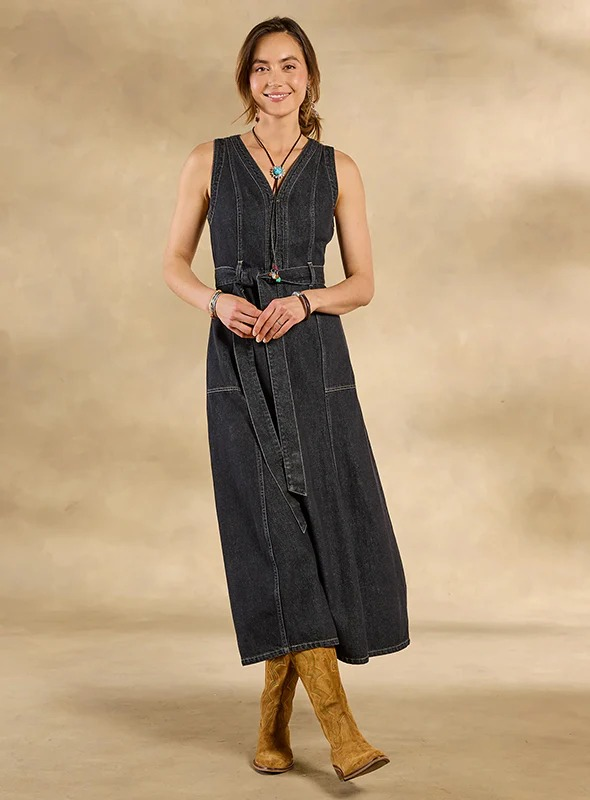
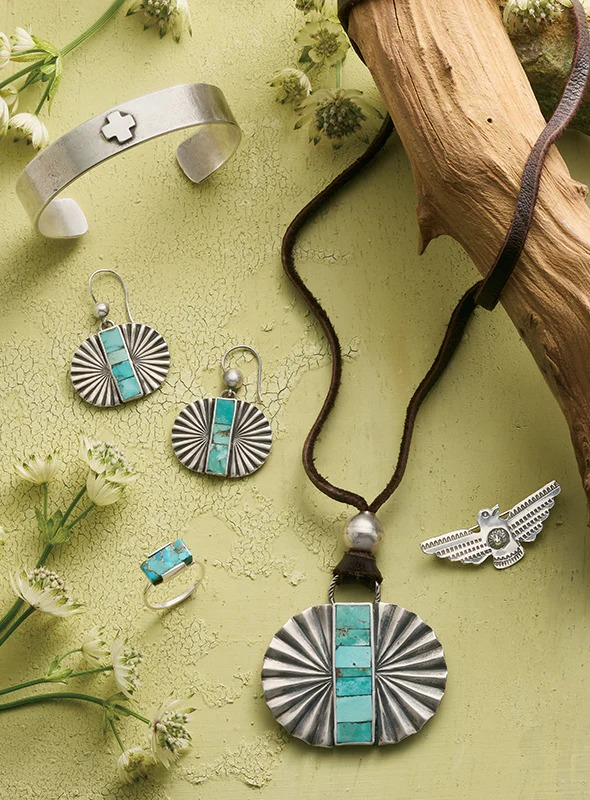
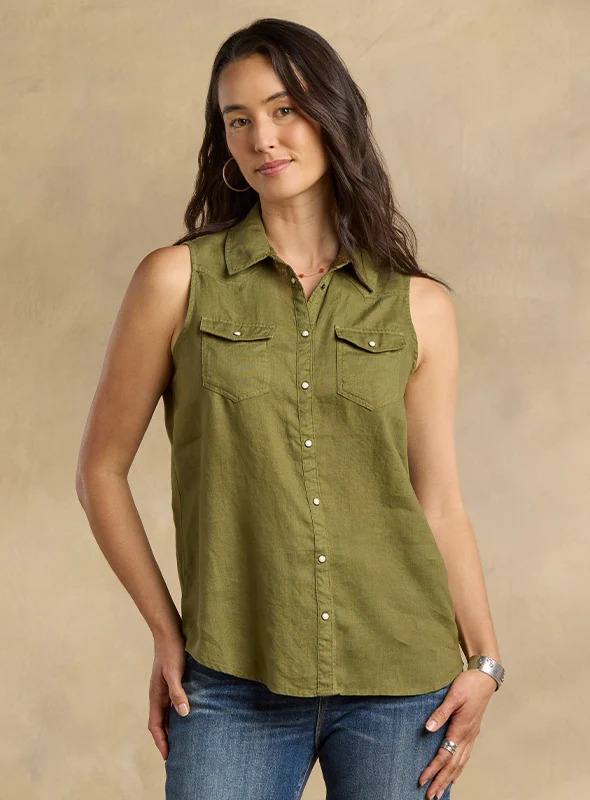
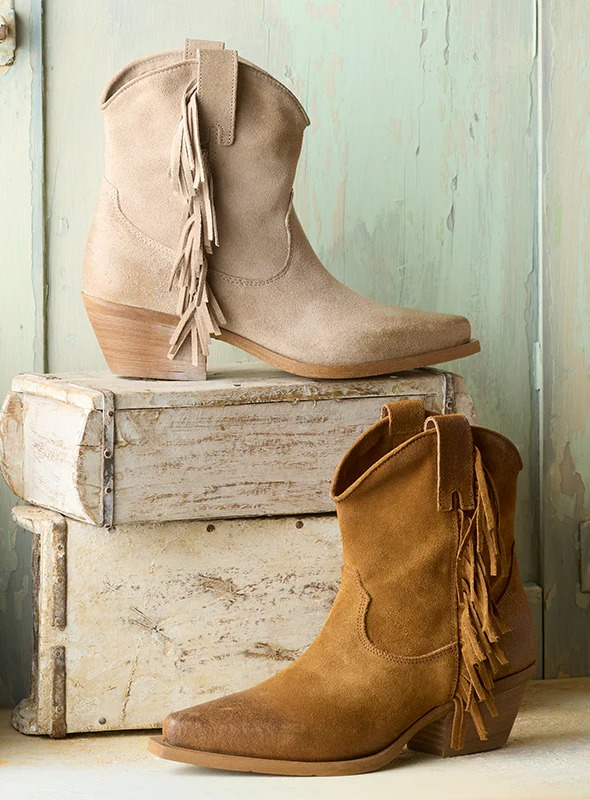
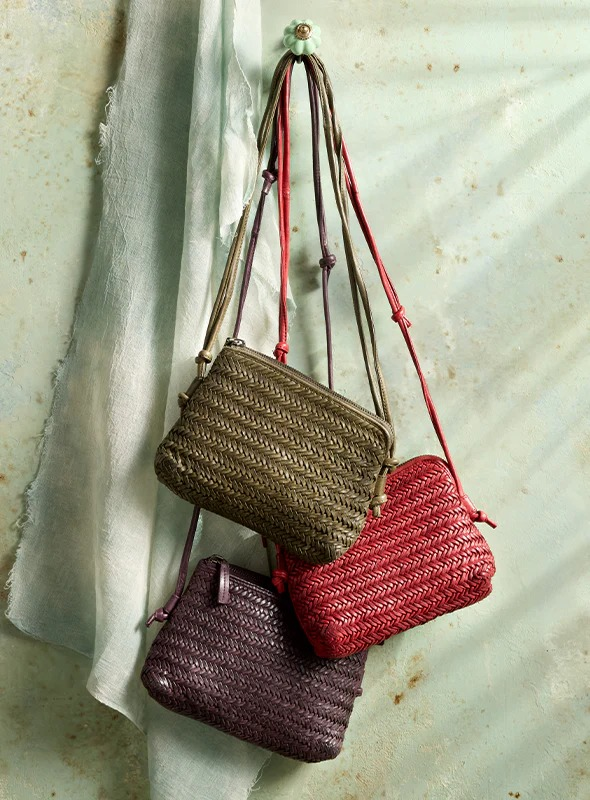

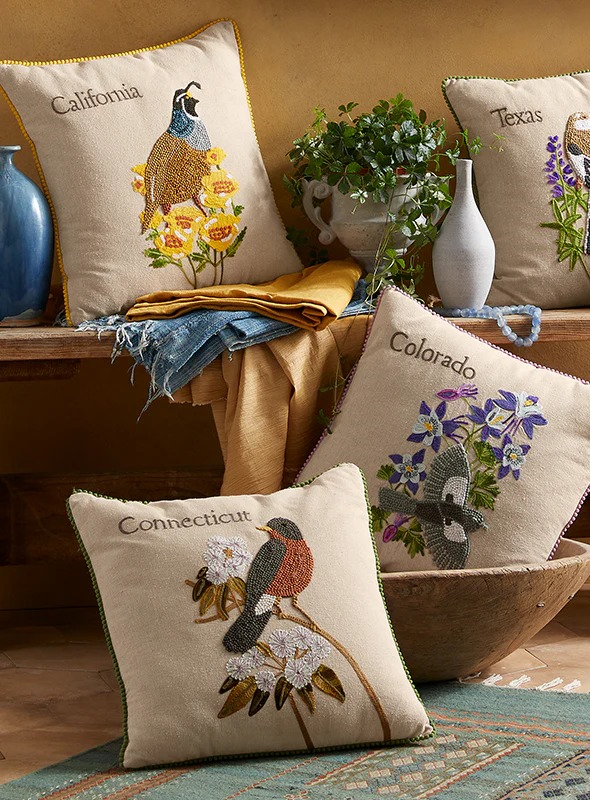
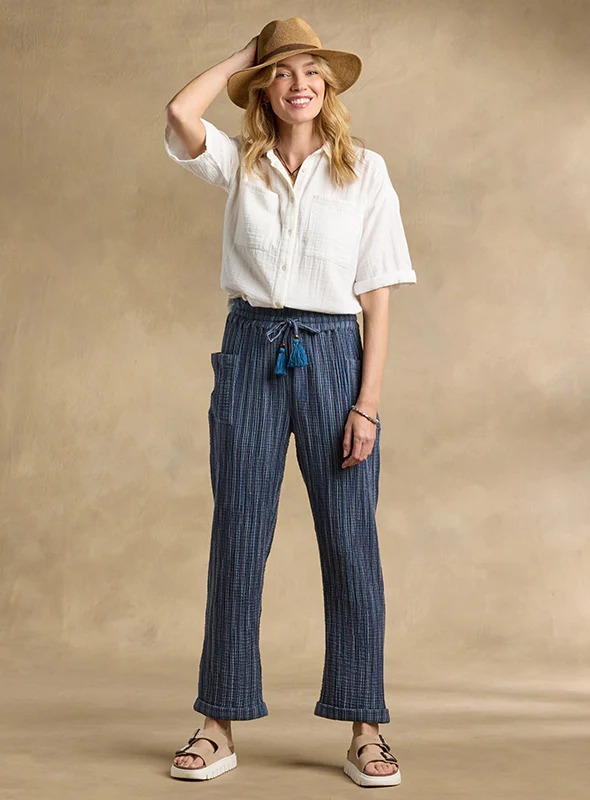
Classic Recommendation.
The Enduring Canvas: Exploring the Rich Tapestry of Women’s Wear
The world of women’s clothing is not merely a collection of garments designed to cover the body; it is a vibrant, ever-evolving canvas reflecting culture, identity, and personal narrative. From the fundamental necessity of protection to the highest expression of artistry, the threads that make up this expansive domain are interwoven with history and societal shifts. To delve into women’s wear is to undertake a study in human expression, a continuous dialogue between the wearer and the world.
One of the most compelling aspects of this clothing category is its remarkable diversity. Unlike other categories of apparel, which often adhere to more uniform structures, women’s clothing embraces a spectrum of silhouettes, fabrics, and functionality. There are garments designed for utility, offering comfort and freedom of movement for professional or athletic pursuits. Then there are pieces crafted for pure aesthetic impact, employing complex techniques, luxurious textiles, and intricate detailing that transform a simple piece of fabric into a sculptural statement. This sheer variety underscores the idea that women’s wear is intrinsically tied to the multi-faceted roles and identities people inhabit. A single wardrobe can contain the tailored precision of a blazer, the flowing comfort of a summer dress, and the utilitarian resilience of outdoor gear, each piece serving a distinct purpose while contributing to an overall sense of self.
Beyond mere aesthetics, the evolution of women’s clothing has been a profound mirror of social history. Significant changes in fashion have often coincided with major shifts in societal norms and the progression of rights and opportunities. The adoption of more streamlined, less restrictive garments in the early 20th century, for example, was inextricably linked to women entering the workforce and participating more actively in public life. The move away from corsetry and voluminous skirts towards simpler, more manageable styles was a practical necessity and a symbolic declaration of newfound independence. Similarly, later trends, such as the adoption of trousers, which were once exclusively men’s attire, represent a continued blurring of rigid sartorial lines and an embracing of versatility and personal choice over prescribed tradition.
The relationship between clothing and identity is particularly potent in this context. What one chooses to wear is a powerful, non-verbal communication about who they are, how they feel, and how they wish to be perceived. Women’s wear provides an unparalleled vocabulary for this self-expression. A bold pattern might signal confidence; a certain cut might convey professionalism; a choice of sustainable fabric might reflect a commitment to certain values. This intimate connection means that clothing is never static; it shifts with mood, circumstance, and personal growth. It is a tool for self-discovery, allowing for experimentation and the continuous refinement of one’s public persona. The ability to dramatically alter one’s appearance and presentation with a change of outfit is an empowering creative freedom, enabling the wearer to step into different versions of themselves.
Furthermore, the design process within women’s clothing is a hotbed of innovation. Designers constantly push the boundaries of materials, technology, and form. They explore new fabric compositions that offer enhanced comfort, durability, or thermal properties. They utilize cutting-edge techniques in pattern cutting to create gravity-defying shapes or seamless fits. This relentless pursuit of innovation ensures that the category remains dynamic, constantly introducing novel ideas and challenging conventional notions of what clothing can and should be. The focus is not just on novelty, but on enhancing the experience of wearing, integrating elements of function and form into a harmonious whole. The emphasis is often placed on the subtle details—the drape of a silk, the finish on a seam, the placement of a pocket—elements that elevate a simple design into something exceptional and enduring.
In conclusion, the realm of women’s clothing is far more than a commercial category; it is a complex, artistic, and social phenomenon. It serves as a personal armor, a means of celebration, a historical document, and a fundamental form of self-expression. Its persistent evolution reflects the ongoing journey of individuals and societies, continually adapting to new environments while remaining rooted in the enduring human desire for both beauty and utility. It remains an ever-fertile ground for creativity and a powerful platform for articulating one’s place in the world.